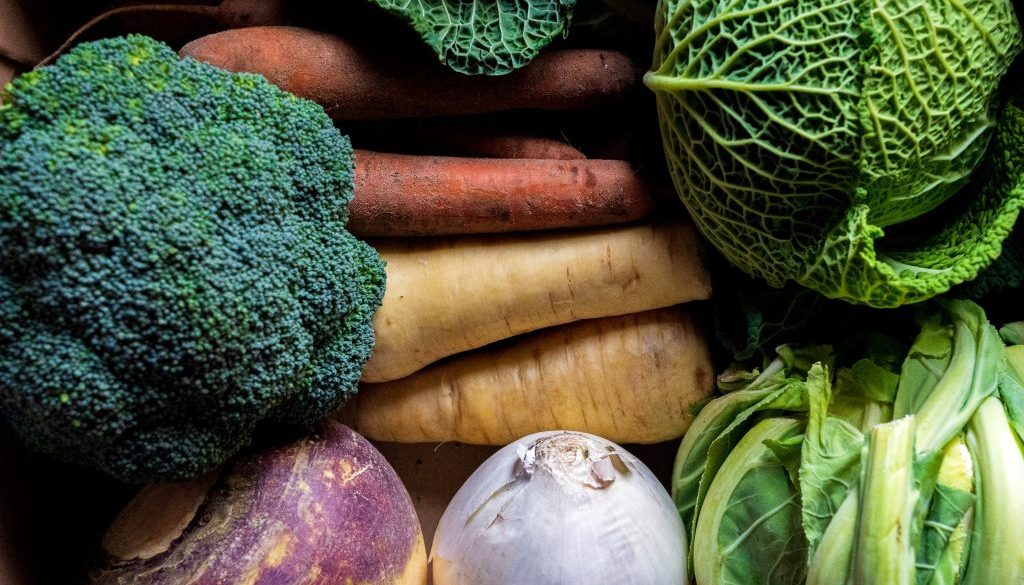
From Garden to Table: Growing Winter Vegetables in Australia
June 2023 is here already. I feel like the year has gone by in a flash. We’ve been prepping garden beds and decided we would try a winter crop to keep our supply of fresh veggies up. It’s incredible the amount of money we are able to save on our grocery shop by being able to supply our own. And as is the case for most families every single dollar counts.
Growing winter vegetables in Australia offers numerous benefits. It allows for an extended growing season, enabling you to have fresh produce throughout the colder months. Many winter vegetables, such as broccoli, kale, and cauliflower, thrive in cooler temperatures, making them ideal choices for winter gardening. You also don’t require much space to grow a pot of kale or a few broccoli plants.
Another significant advantage is cost savings. Purchasing winter vegetables from the supermarket can be expensive, particularly if they are out of season. By growing your own winter vegetables, you can avoid inflated prices and enjoy the satisfaction of producing your own organic, cost-effective produce.
Winter vegetables are packed with essential nutrients, vitamins, minerals, and antioxidants. By cultivating your own winter vegetables, you have control over their growth, ensuring they are fresh, flavorful, and rich in nutritional value. It’s a fantastic way to provide your family with wholesome, nourishing food.
Growing winter vegetables contributes to sustainability. By reducing reliance on imported, out-of-season produce, you reduce transportation emissions and support local agriculture. It’s an eco-friendly choice that promotes self-sufficiency and reduces your carbon footprint.
The act of growing your own winter vegetables provides a rewarding and fulfilling experience. Harvesting your home-grown produce and enjoying it at the dinner table is incredibly satisfying. Gardening also offers a chance to connect with nature, spend time outdoors, and find solace in nurturing plants, fostering mental well-being. If you are a family it’s also a great opportunity to spend time together learning, growing, and soaking up vitamin D.
Best Winter Vegetables to Grow in Australia
- Kale
- Broccoli
- Carrots
- Spinach
- Brussels sprouts
- Cauliflower
- Cabbage
- Beetroot
- Peas
- Radishes
Here’s some information about each of the vegetables:
Kale – Kale is a nutrient-dense leafy green that thrives in cooler weather. It’s packed with vitamins A, C, and K, as well as calcium, iron, and antioxidants. It’s also a great source of fiber.
Broccoli – Broccoli is another nutritious vegetable that does well in cooler temperatures. It’s high in vitamin C, vitamin K, folate, and fiber. It also contains sulforaphane, a compound that has been linked to cancer prevention.
Carrots – Carrots are a root vegetable that can be grown throughout the year in Australia. They’re high in vitamin A, as well as fiber and other important nutrients.
Spinach – Spinach is a versatile leafy green that can be used in salads, smoothies, and cooked dishes. It’s packed with iron, vitamin K, vitamin A, and other important nutrients.
Brussels sprouts – Brussels sprouts are a member of the cabbage family and are known for their distinctive flavor. They’re high in vitamin C, vitamin K, and fiber.
Cauliflower – Cauliflower is a versatile vegetable that can be used in a variety of dishes, from roasted cauliflower to cauliflower rice. It’s high in vitamin C, vitamin K, and fiber.
Cabbage – Cabbage is a cruciferous vegetable that is high in vitamin C and fiber. It’s also a good source of vitamin K and other important nutrients.
Beetroot – Beetroot is a root vegetable that is high in antioxidants and other important nutrients. It’s also known for its natural sweetness and vibrant color.
Peas – Peas are a legume that can be grown in cooler weather. They’re high in protein, fiber, and other important nutrients.
Radishes – Radishes are a root vegetable that are easy to grow and add a crisp, refreshing flavor to salads and other dishes. They’re high in vitamin C and other important nutrients.
When it comes to growing winter vegetables in Australia, there are a few tips to keep in mind:
- Timing: Make sure to plant your winter vegetables early enough to allow them to mature before the hottest months of the year.
- Soil preparation: Winter vegetables do best in soil that is rich in organic matter and well-draining. Consider adding compost or other organic amendments to your soil before planting.
- Watering: Winter vegetables still need regular watering, but be careful not to overwater them, as this can lead to root rot.
- Fertilizing: Consider using a slow-release fertilizer or organic amendments to provide your plants with the nutrients they need throughout the growing season.
- Pests and diseases: Keep an eye out for common pests and diseases that can affect winter vegetables, such as aphids, caterpillars, and powdery mildew.
Pest and Disease Management
Aphids: These small insects can be a problem for many types of winter vegetables. They suck the sap from plants, causing them to become weakened and distorted. You can try removing aphids by hand or using a strong stream of water to wash them off. You can also use insecticidal soap or neem oil to control aphids.
Caterpillars: Caterpillars can be a problem for brassica vegetables, such as broccoli, cabbage, and cauliflower. They can eat the leaves and cause significant damage. You can try removing caterpillars by hand or using Bacillus Thuringiensis (BT), a natural bacterial insecticide that specifically targets caterpillars.
Powdery mildew: This fungal disease appears as a white, powdery coating on leaves, stems, and flowers. It can weaken plants and reduce their productivity. Powdery mildew thrives in humid conditions, so try to avoid overhead watering and ensure good air circulation around your plants. You can also use a fungicide to control powdery mildew.
Root rot: This fungal disease can affect the roots of many types of winter vegetables, causing them to become weak and stunted. It’s usually caused by overwatering or poorly draining soil. To prevent root rot, make sure your soil is well-draining and avoid overwatering your plants.
Slugs and snails: These pests can be a problem for many types of winter vegetables, especially those with tender leaves. They can eat the leaves and leave slimy trails behind. You can try using physical barriers, such as copper tape or diatomaceous earth, to keep slugs and snails away from your plants. You can also use iron phosphate-based baits to control slugs and snails.
Remember to regularly inspect your winter vegetable garden for signs of pests and diseases, and take action promptly if you notice any issues. With proper care and management, you can enjoy a healthy and productive winter vegetable garden in Australia.
Benefits of Growing Winter Vegetables in Australia
Extended growing season: By planting winter vegetables in Australia, you can extend your growing season and enjoy fresh, home-grown produce throughout the colder months. Many winter vegetables, such as broccoli, cauliflower, and kale, actually prefer cooler temperatures and can thrive in winter conditions.
Cost savings: Growing your own winter vegetables can also save you money on your grocery bills. Winter vegetables can be expensive to purchase from the supermarket, especially when they are out of season. By growing your own, you can avoid these high costs and enjoy fresh, organic produce at a fraction of the cost.
Nutritional benefits: Winter vegetables are often rich in vitamins, minerals, and antioxidants that are essential for good health. By growing your own winter vegetables, you can ensure that you and your family are getting the freshest, most nutritious produce possible.
Sustainability: Growing your own winter vegetables is also a sustainable choice that can reduce your carbon footprint. By reducing your reliance on imported, out-of-season produce, you can help to reduce transportation emissions and support local agriculture.
Gardening satisfaction: Finally, growing your own winter vegetables can be a rewarding and satisfying experience. There’s nothing quite like the feeling of harvesting your own home-grown produce and enjoying it at the dinner table. Gardening can also be a great way to get outdoors, connect with nature, and reduce stress and anxiety.
So why not give it a try and start planning your winter vegetable garden today?
Thanks for reading and if you haven’t already jump over and follow us on Facebook or on Instagram or leave a comment on our blog. Until next time xx Tennille – Barker Family Adventure
Photo by Nick Fewings on Unsplash Thanks for allowing us to use your pic!